 Stories
Creating ripples that become waves
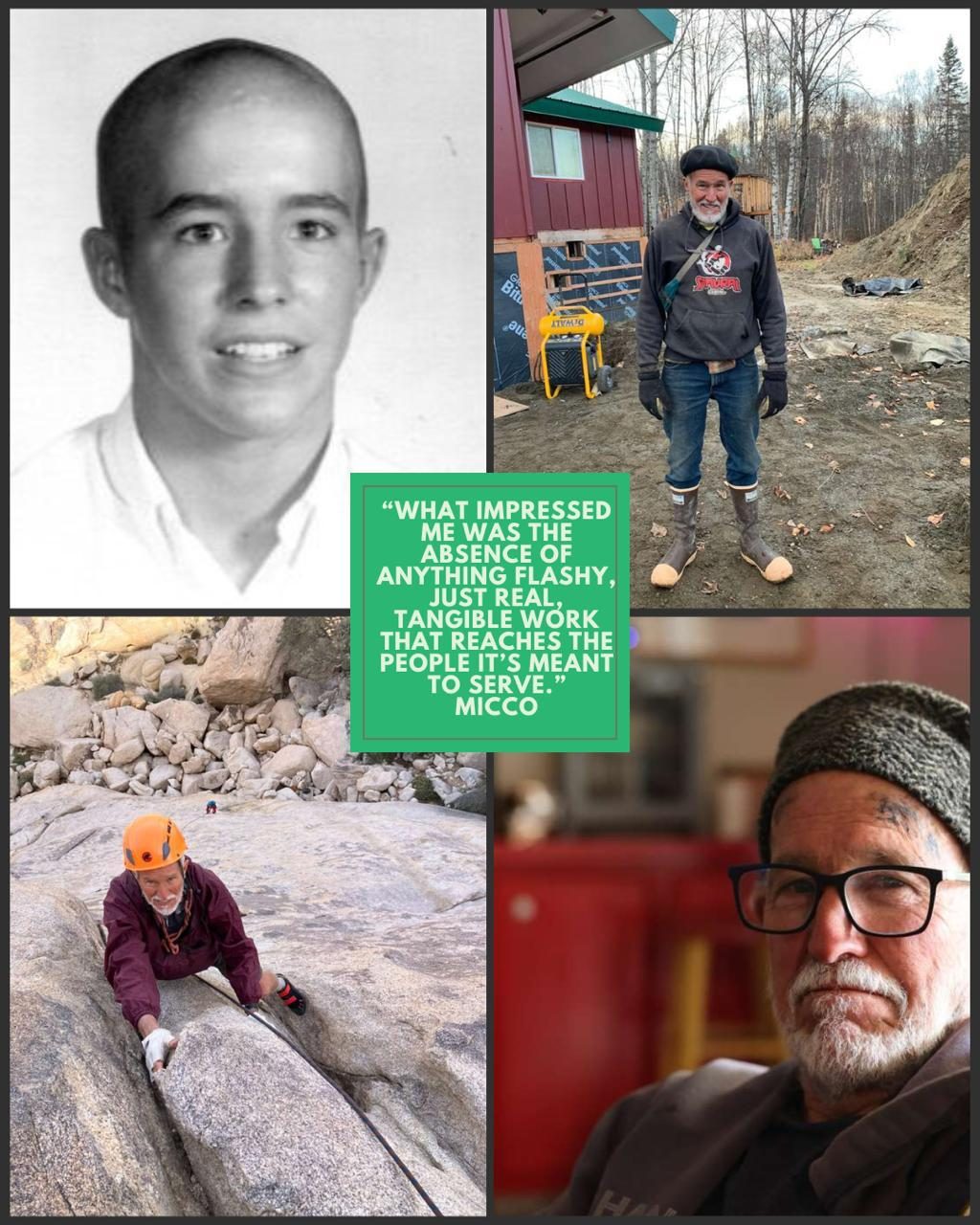
What impressed me was the absence of anything flashy, just real, tangible work that reaches the peop...
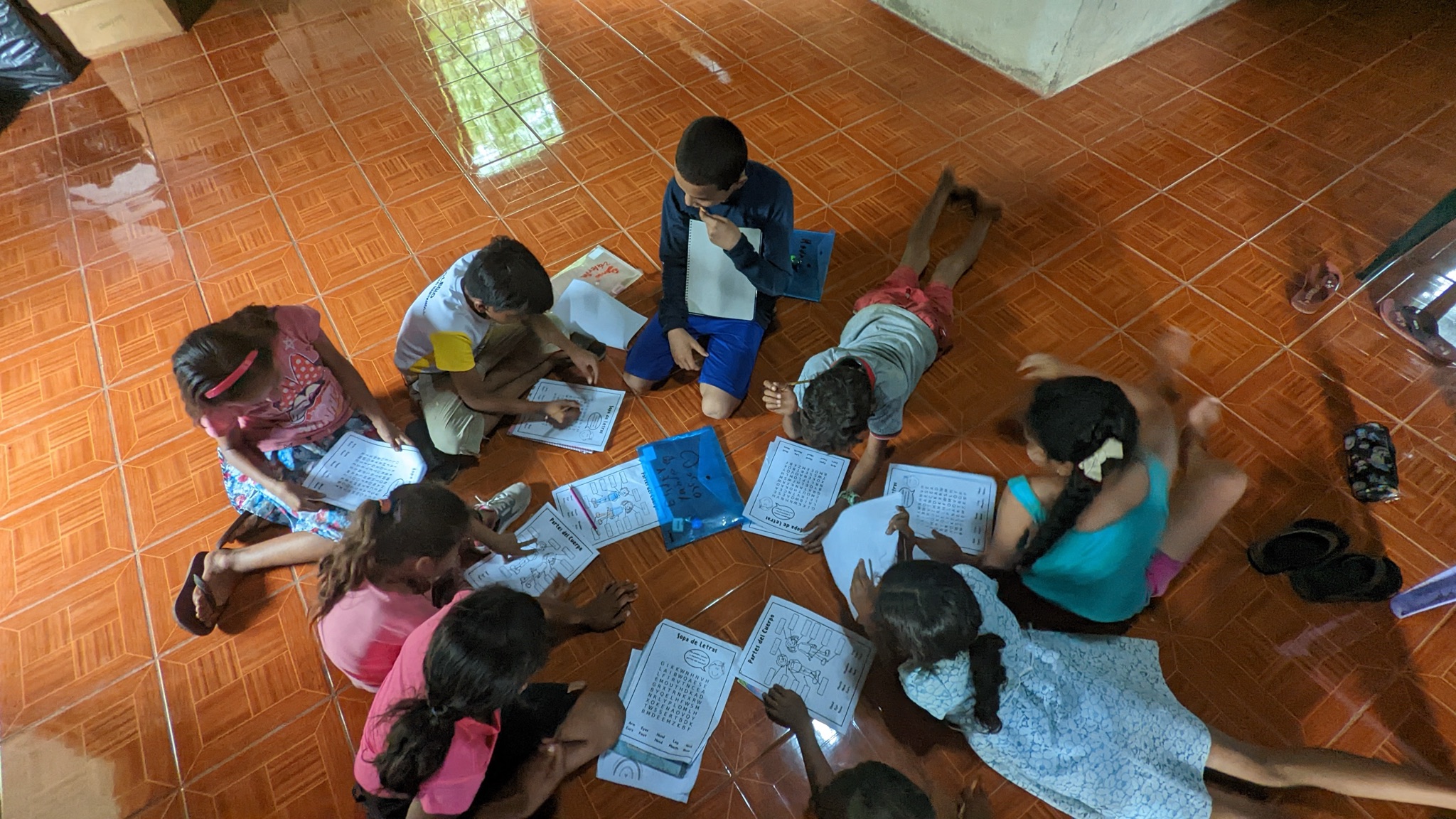
Our longest-running initiative, serving communities in the León Department since 1996 with comprehensive programs in housing, education, health, and agriculture.
About Nicaragua
Infrastructure
In October 1998, Hurricane Mitch devastated Nicaragua. In early 1999 we began building homes for families who lost everything. Today, we have built over 250 homes in 6 communities with a 90% payback rate.
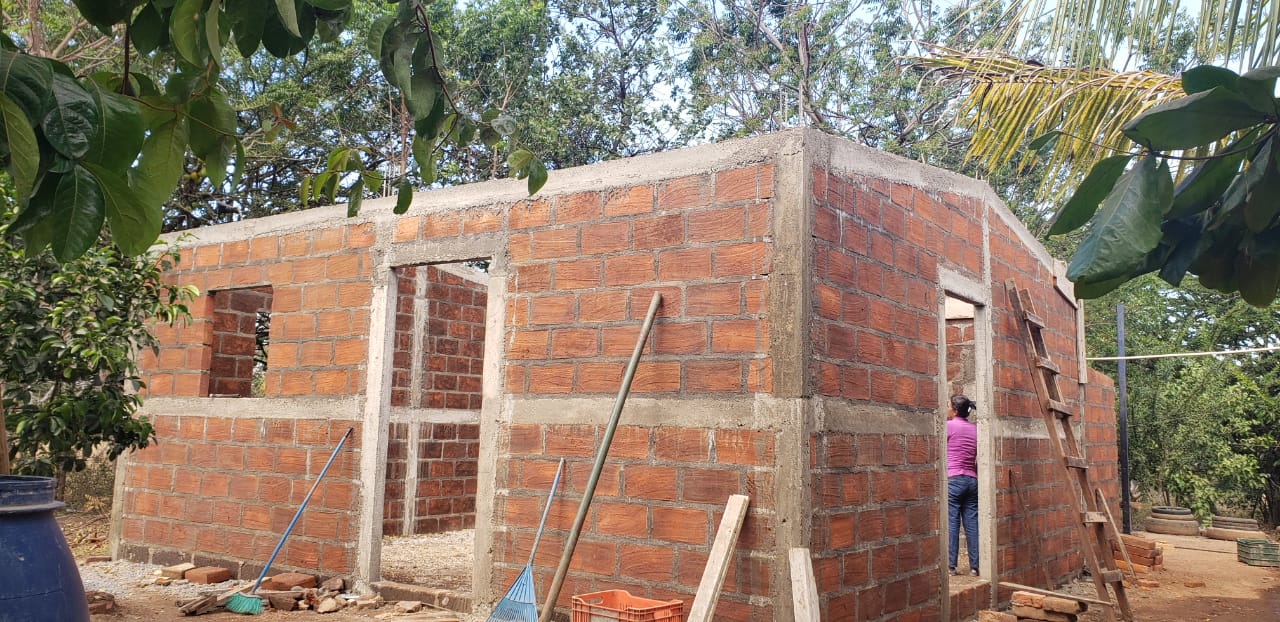
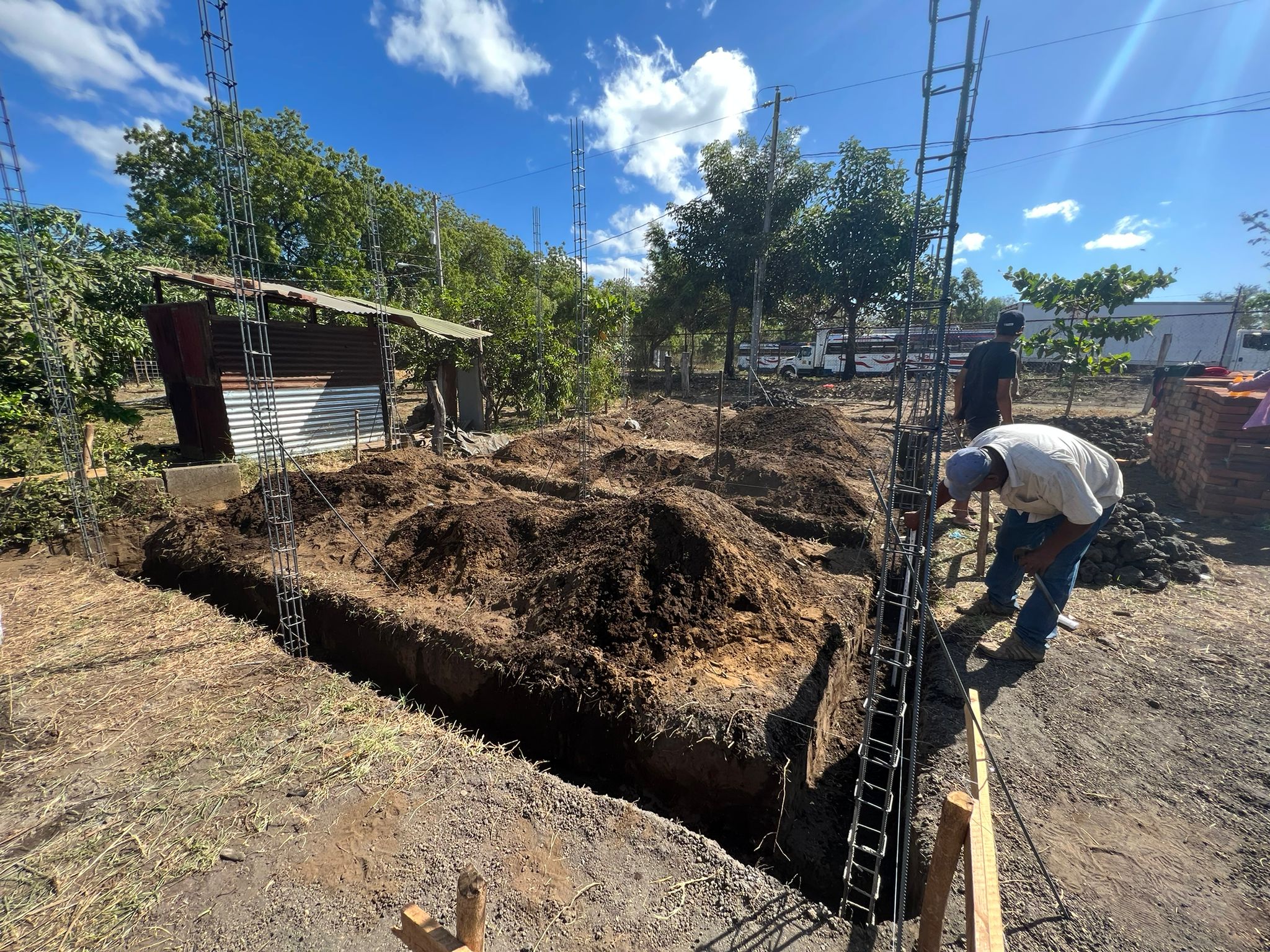
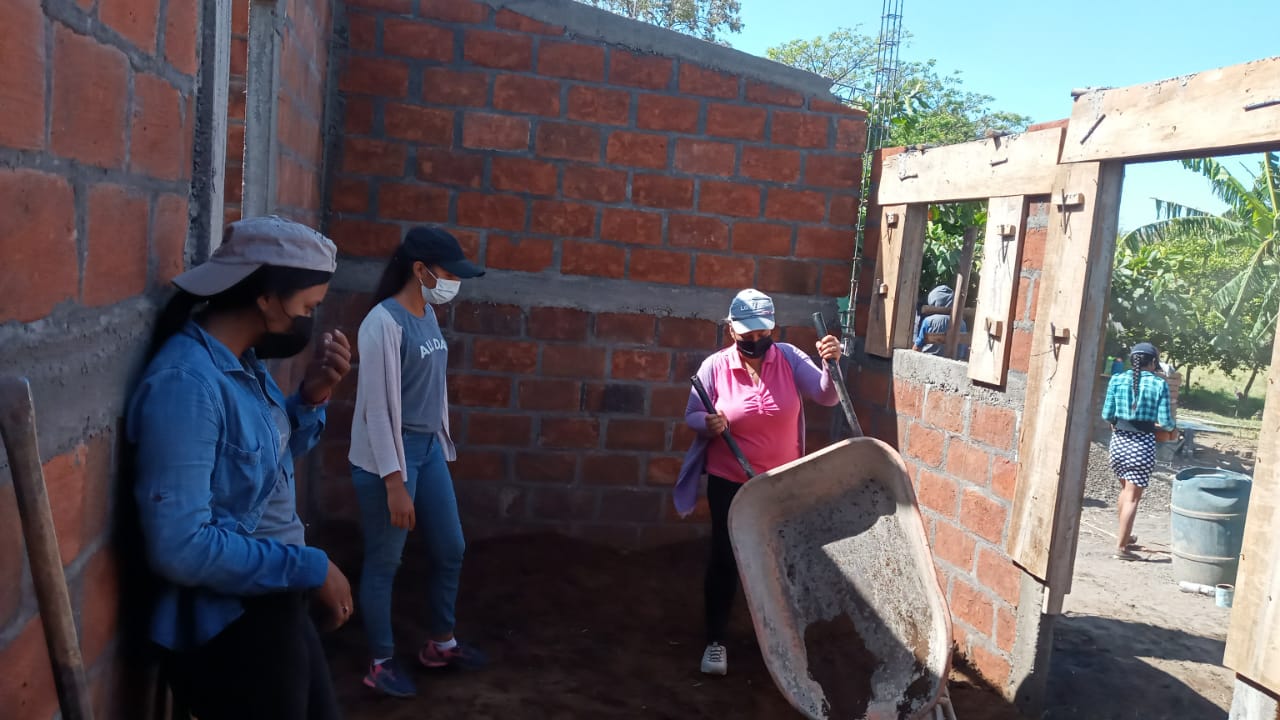
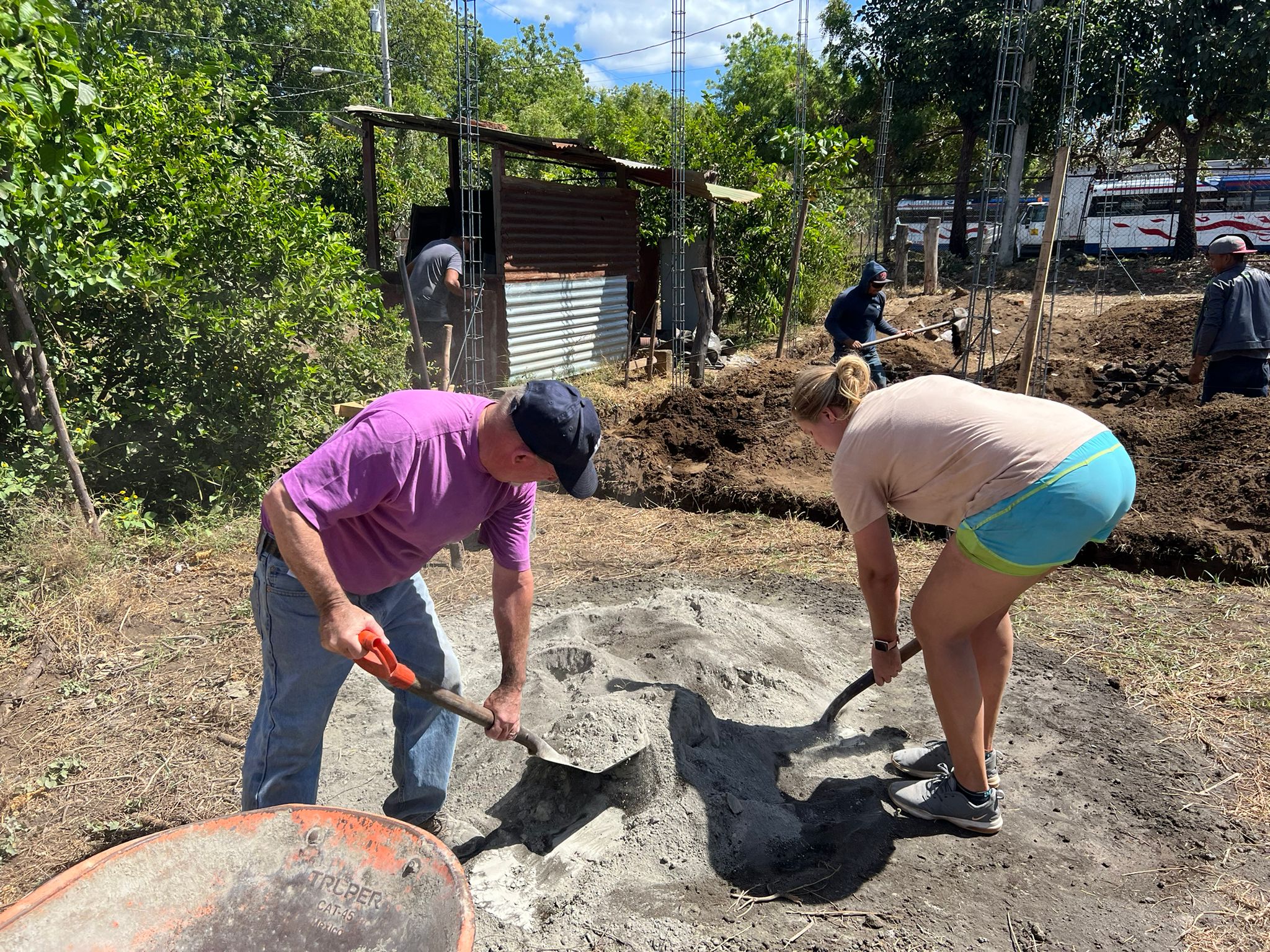
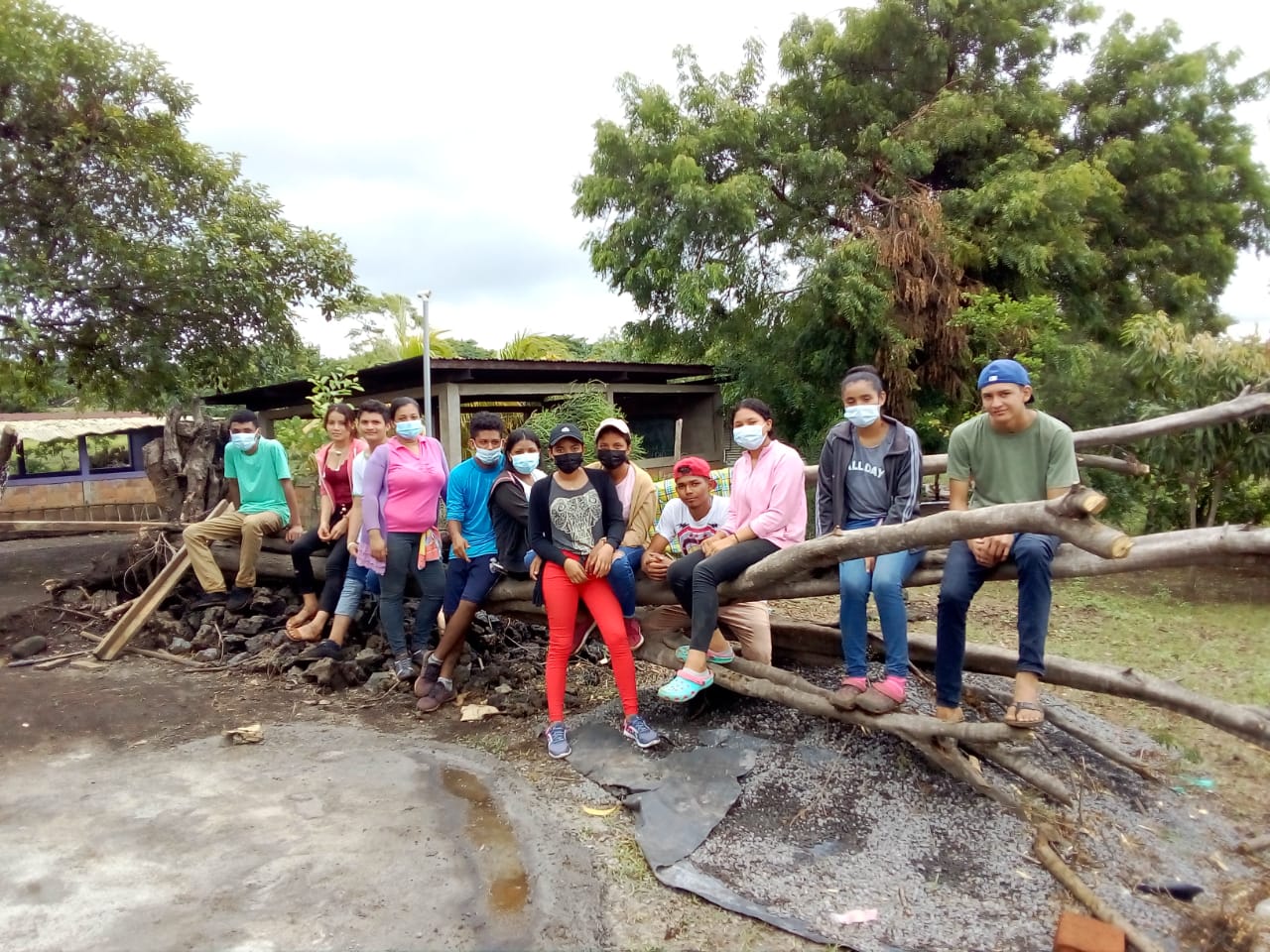
Families pay 35% of the cost over 4 years at a 2% interest rate and contribute labor, volcanic rock for the foundation, and daily meals for the foreman. Upon completion of payments, the home is titled in the name of the woman head of household. The fund collected is recycled to provide loans of up to $800 for repairs, home expansion, or starting a small business.
Latrines cost roughly $220 and families pay 50% of the cost over 12-18 months. Having a clean, safe bathroom at home is life-changing, especially for women and girls who benefit from better menstrual hygiene.
Offering micro-loans of up to $800 to families — whether providing pigs to a single mother to build her savings or financing a small, home-based business. With a 90% payback rate, the fund is recycled to help more families break cyclical poverty.
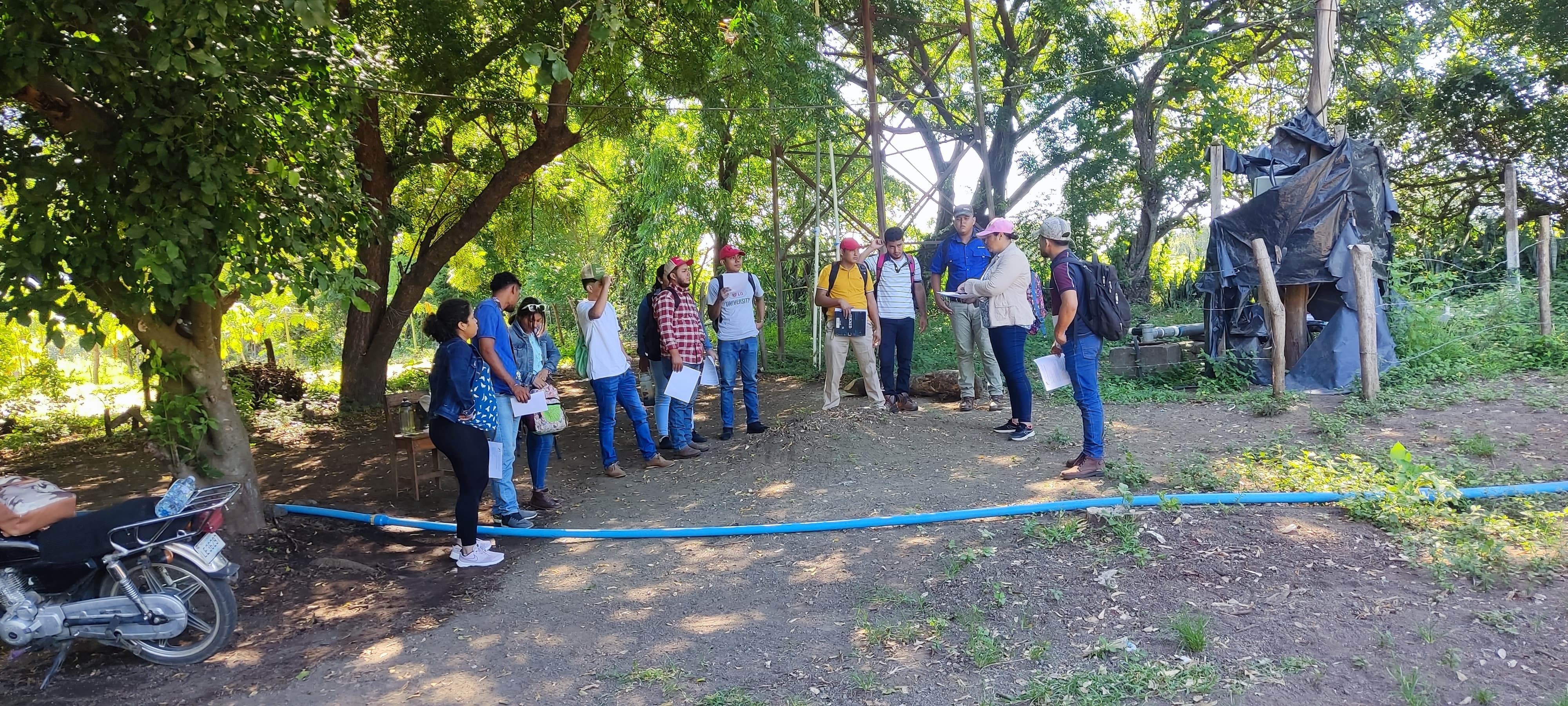
Over the past decade, FNE has provided filters to reduce harmful bacteria, financed rainwater harvesting tanks in remote communities, and most significantly, helped finance a potable water system serving 4 communities through a gravity-fed system from natural springs on the side of a volcano.
Education
Comprehensive education programs from early childhood through university, breaking the cycle of poverty through knowledge.
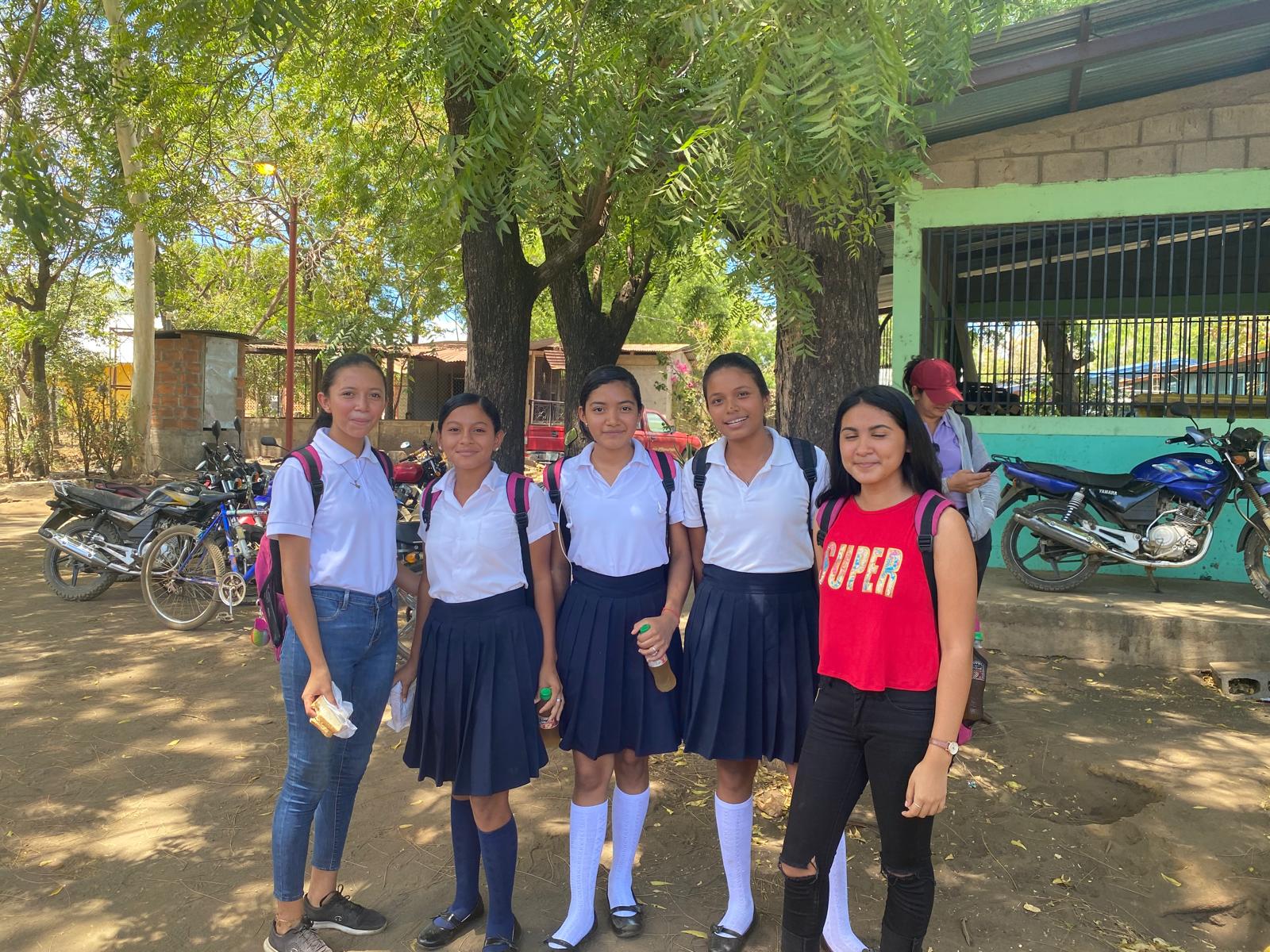
In 2009, professors and students from Miami-Dade College traveled with FNE to Chacraseca and decided to replicate the "I Have a Dream" (Tengo un sueño) program. The first cohort of 37 kindergartners now has 24 young women and men entering their second and third years of college.
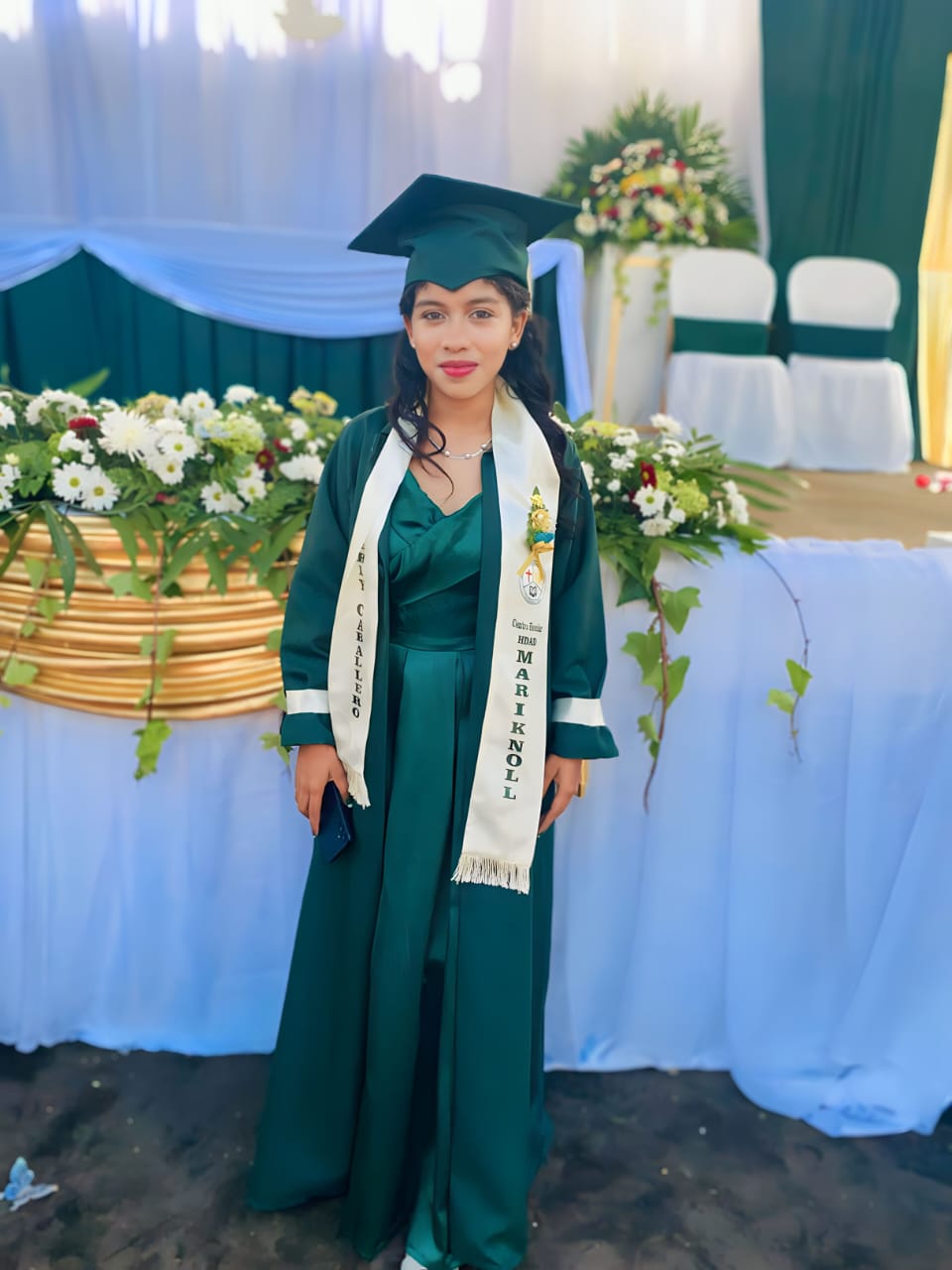
Started in 2008, the program now provides 125 high school and college scholarships across 6 communities. Recipients attend monthly meetings with proof of matriculation and progress reports, and perform 20 hours of community service monthly. Graduates include doctors, nurses, lawyers, engineers, architects, and agronomists.
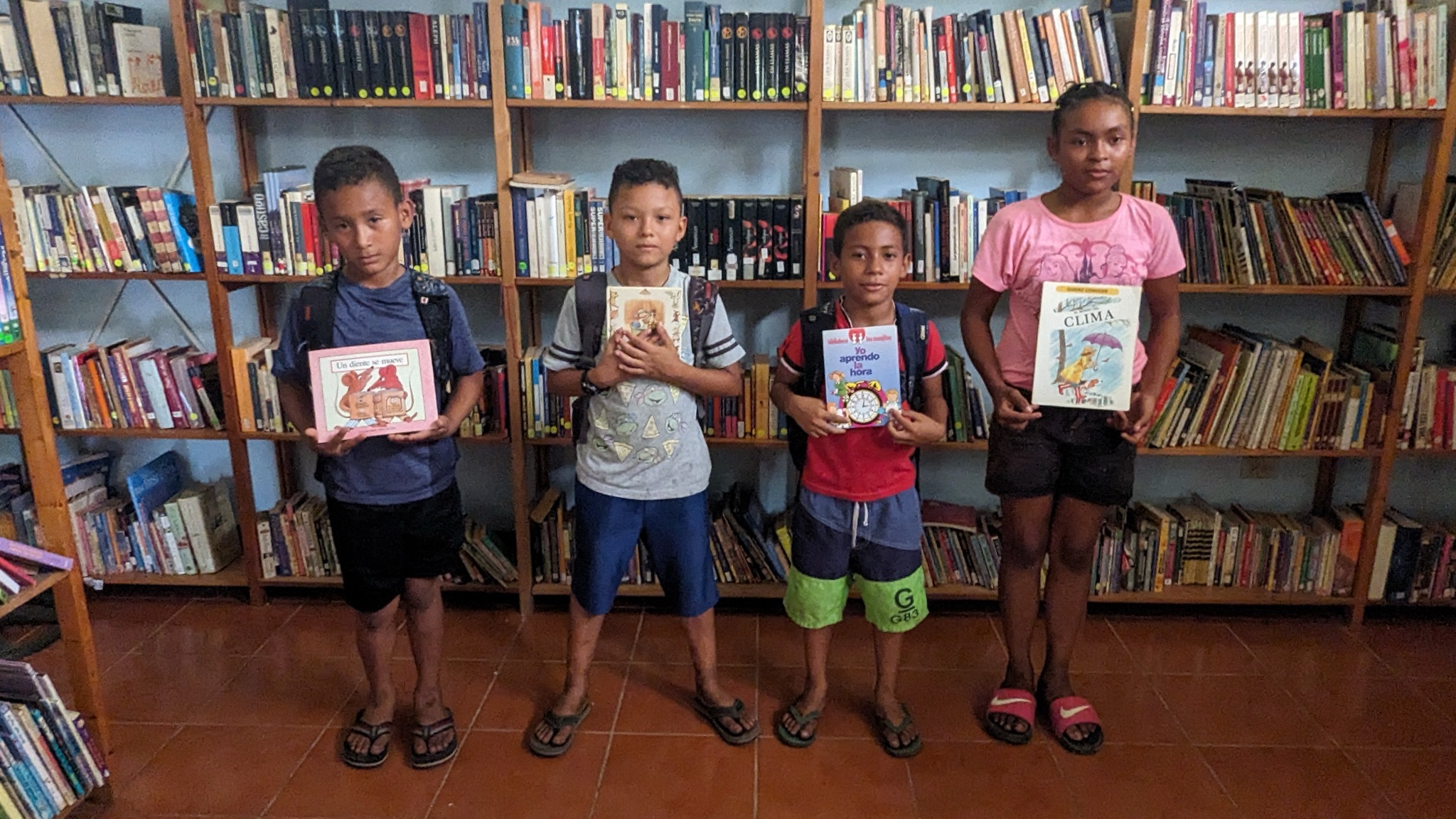
Nicaragua's first rural lending library, built after surveying nearly half of Chacraseca's 1,100 families. The library has over 5,000 Spanish language books and serves approximately 300 people per month with tutoring, computer classes, printing services, and internet access.
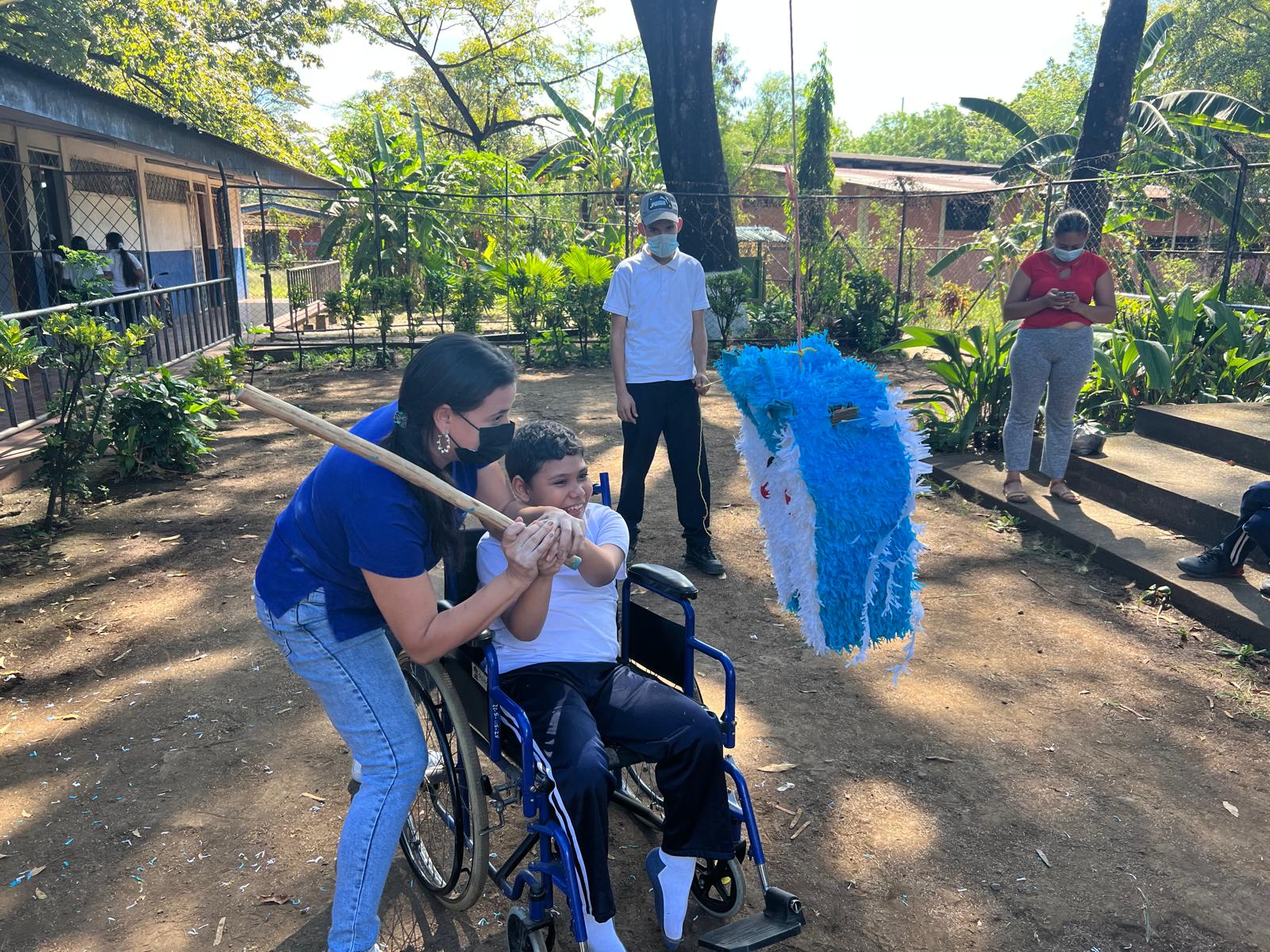
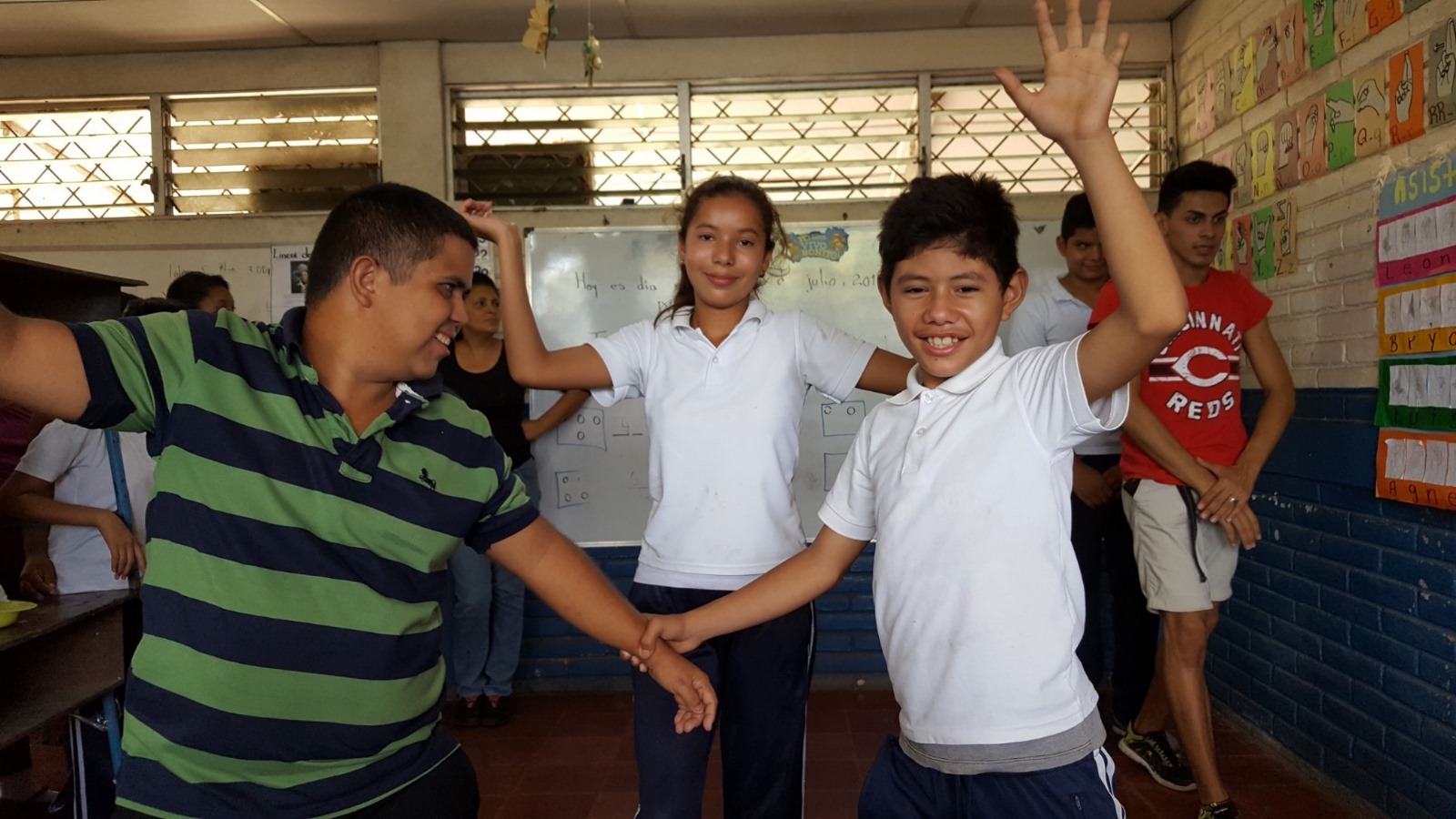
Supporting a special education school in Chichigalpa that provides essential services to children with disabilities.
Health
Providing essential healthcare services with a special focus on children with chronic conditions.
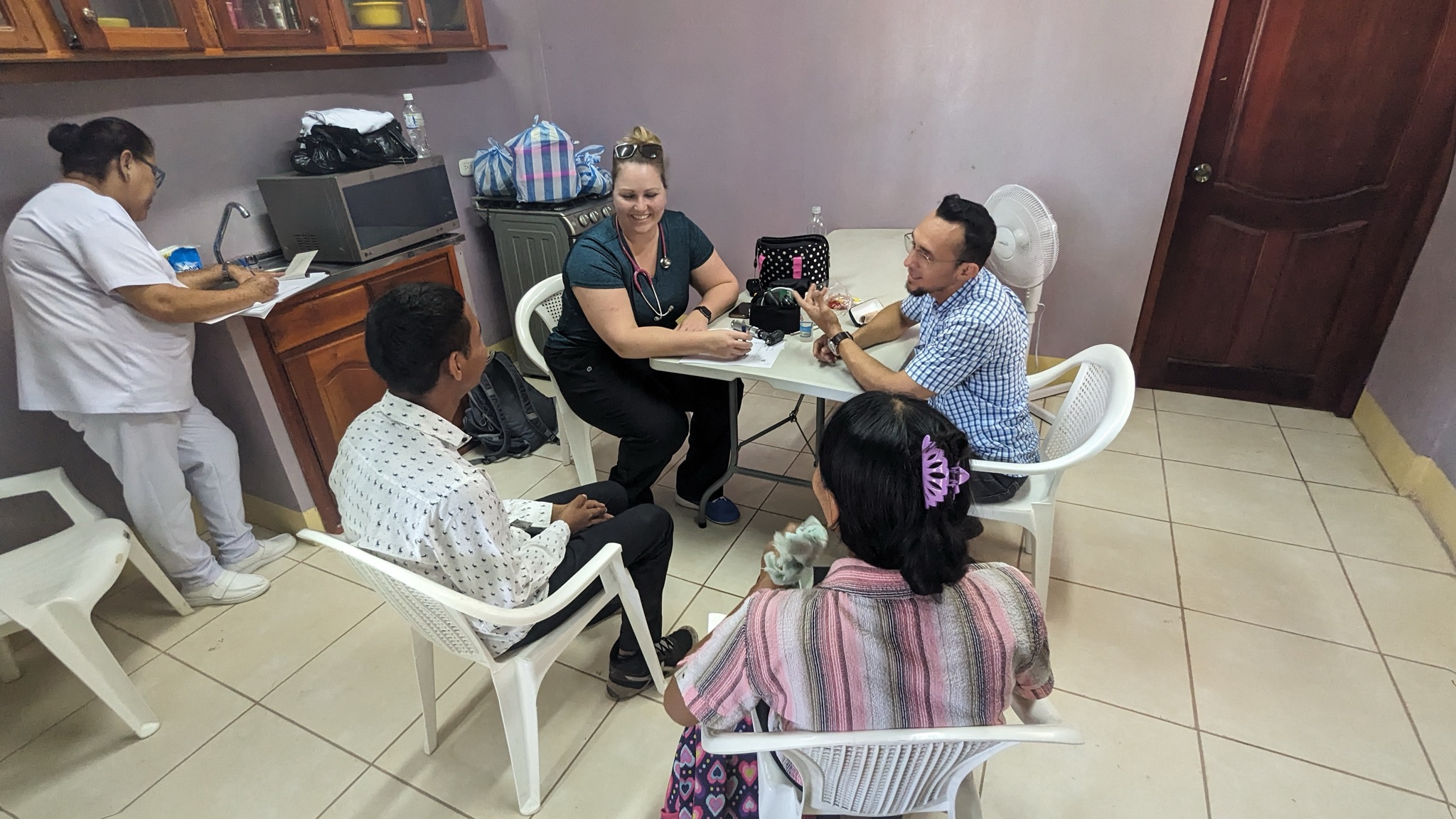
A pediatric health program providing ongoing care for children living with complex, long-term medical conditions.
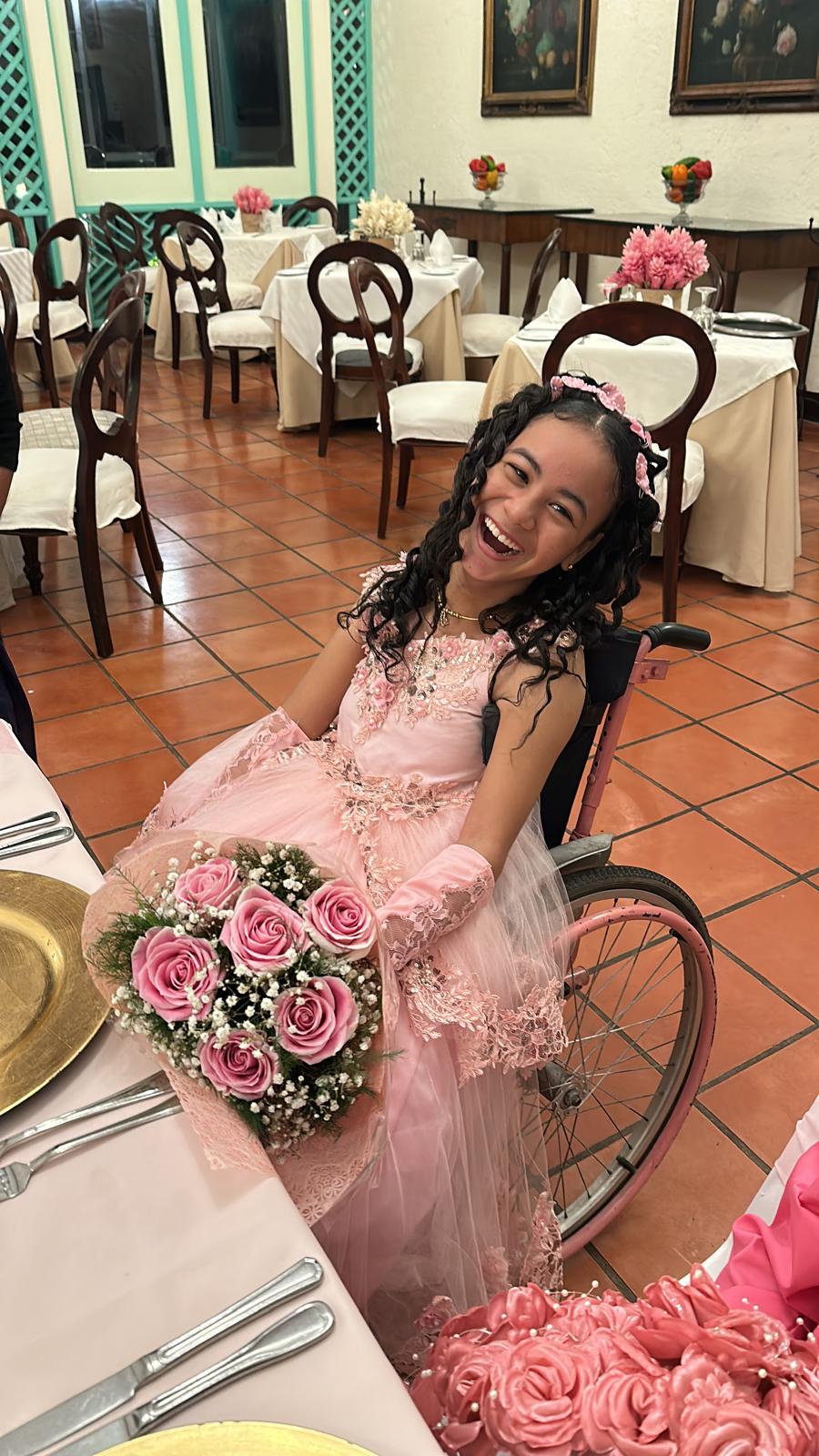
Our SPTLN program has a special focus on children with Duchenne muscular dystrophy, a rare genetic condition that causes progressive muscle weakness. We provide ongoing medical care, physical therapy, wheelchairs, and emotional support to these children and their families.
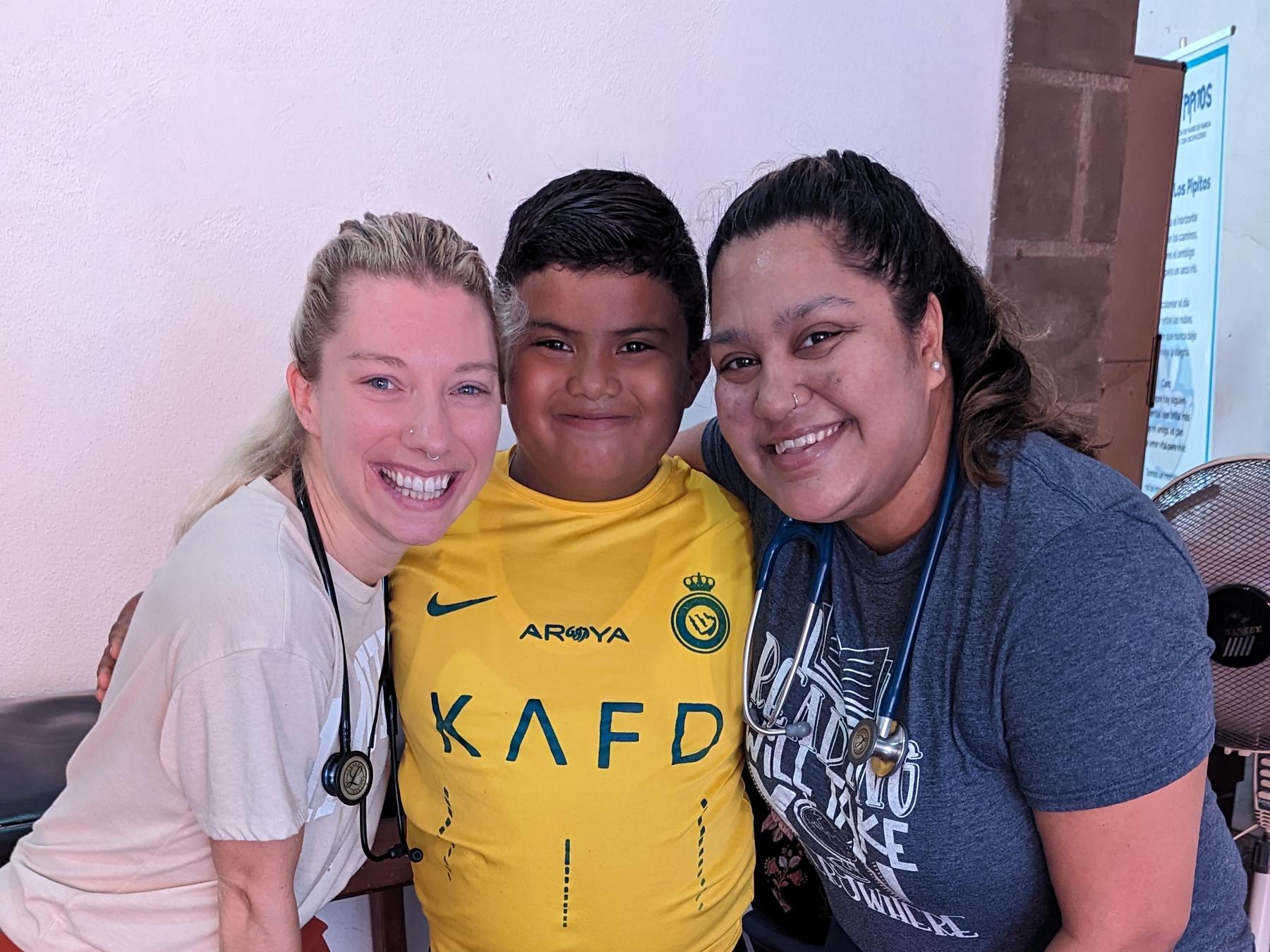
Since 2009, working with the Ministry of Health to improve access to healthcare for women. FNE supports pap smear supplies, finances equipment for colposcopies and cryotherapy, and provides medicines not available through the health system. Over the past 7 years, we partnered with Project MESA at University of Michigan to develop a portable exam table for more remote areas.
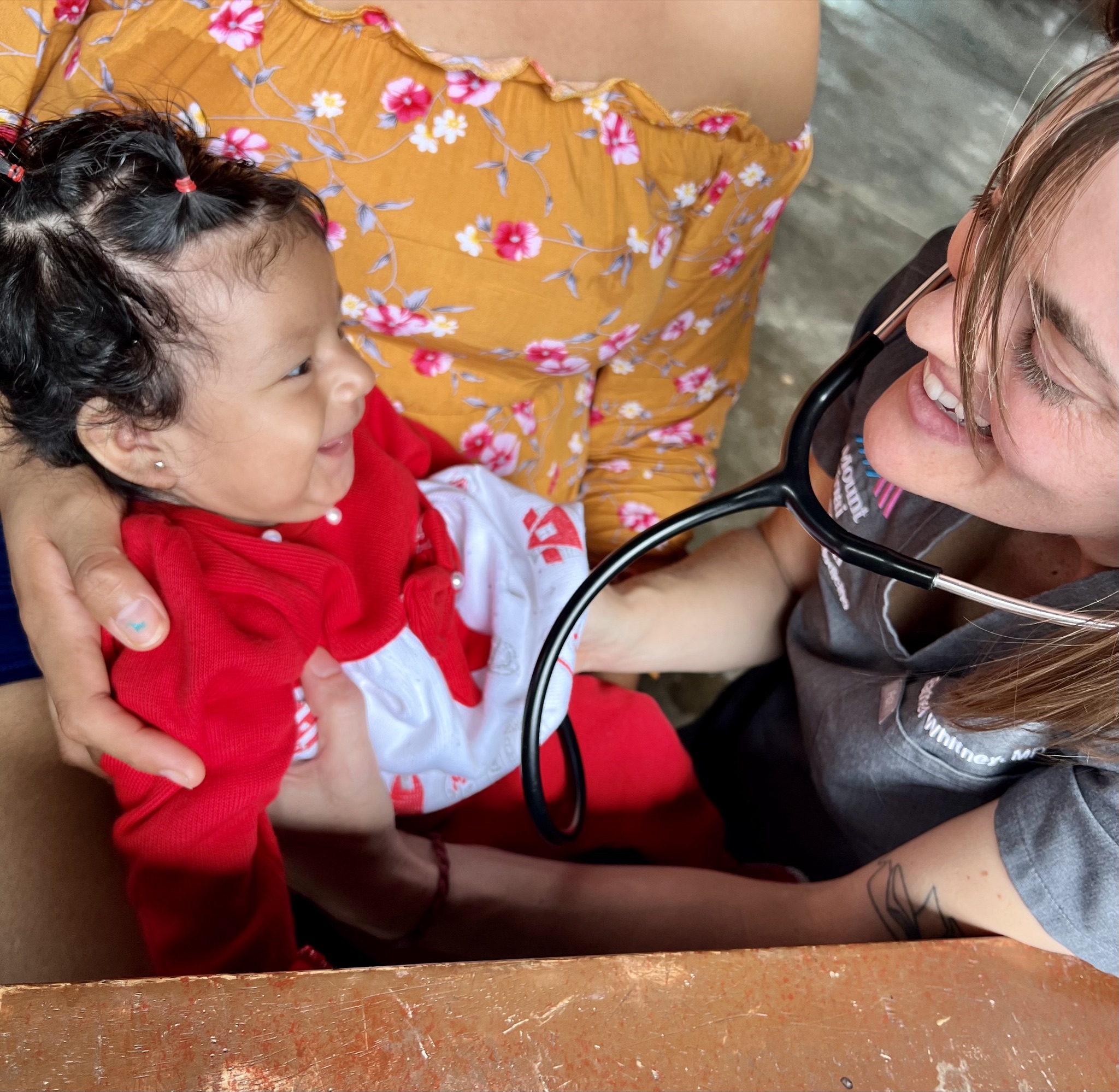
Organizing volunteer medical professionals to provide free healthcare services in underserved communities.
Food & Agriculture
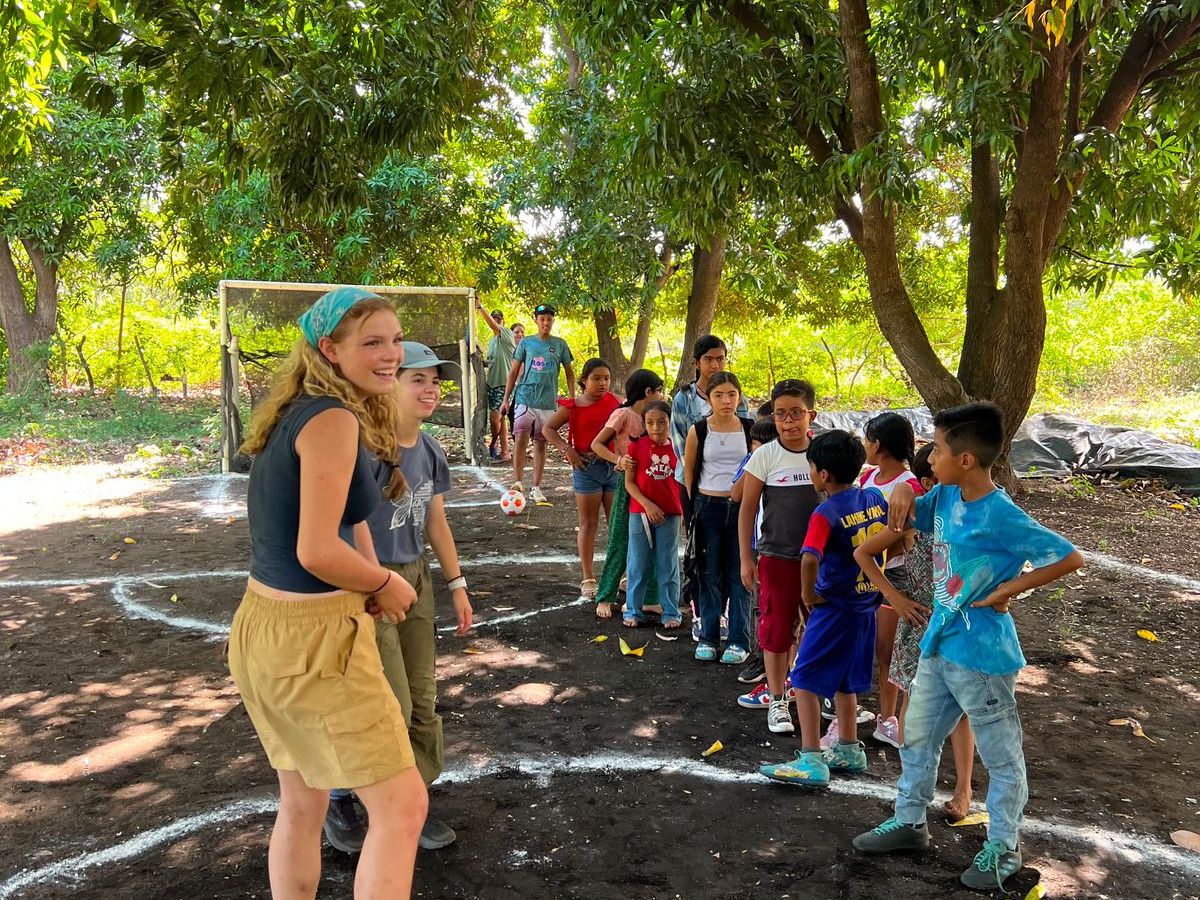
Teaching sustainable farming practices and improving nutrition through hands-on education.
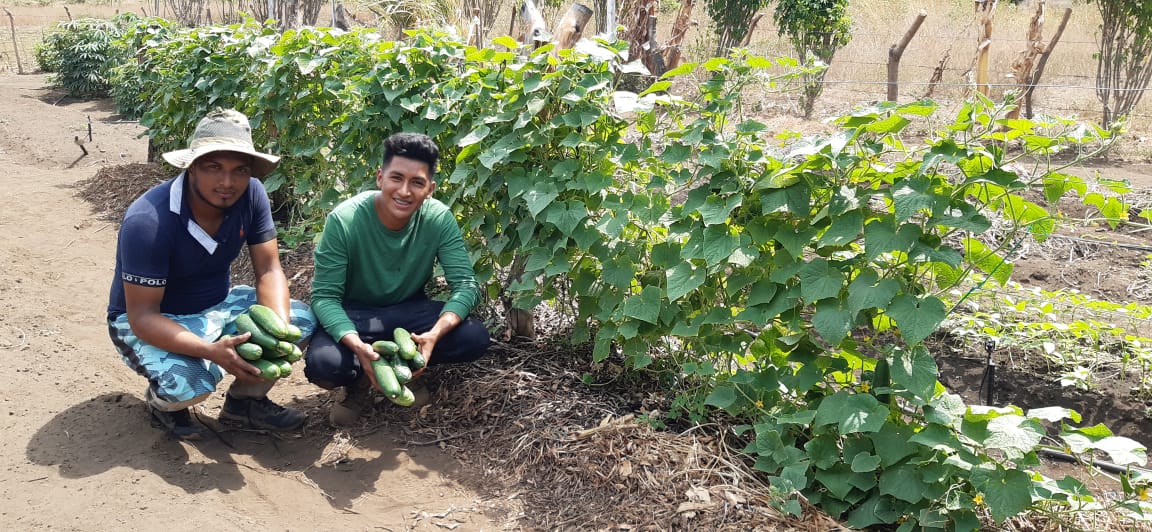
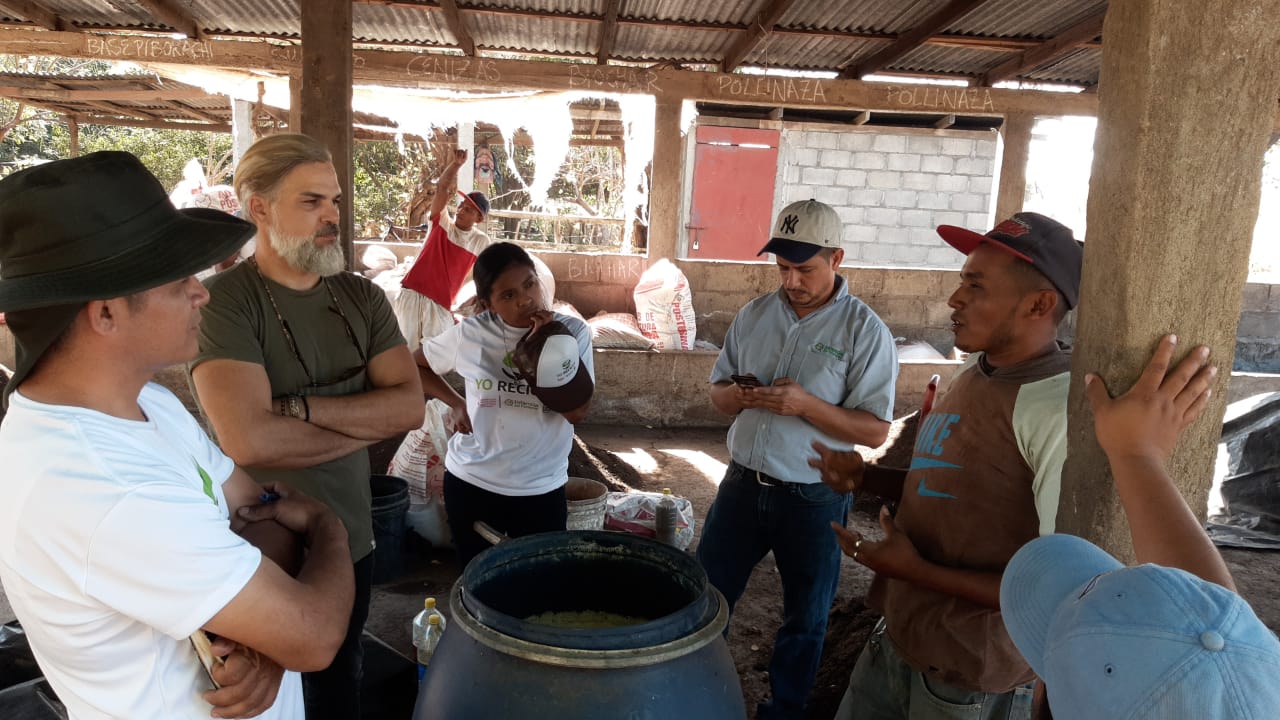
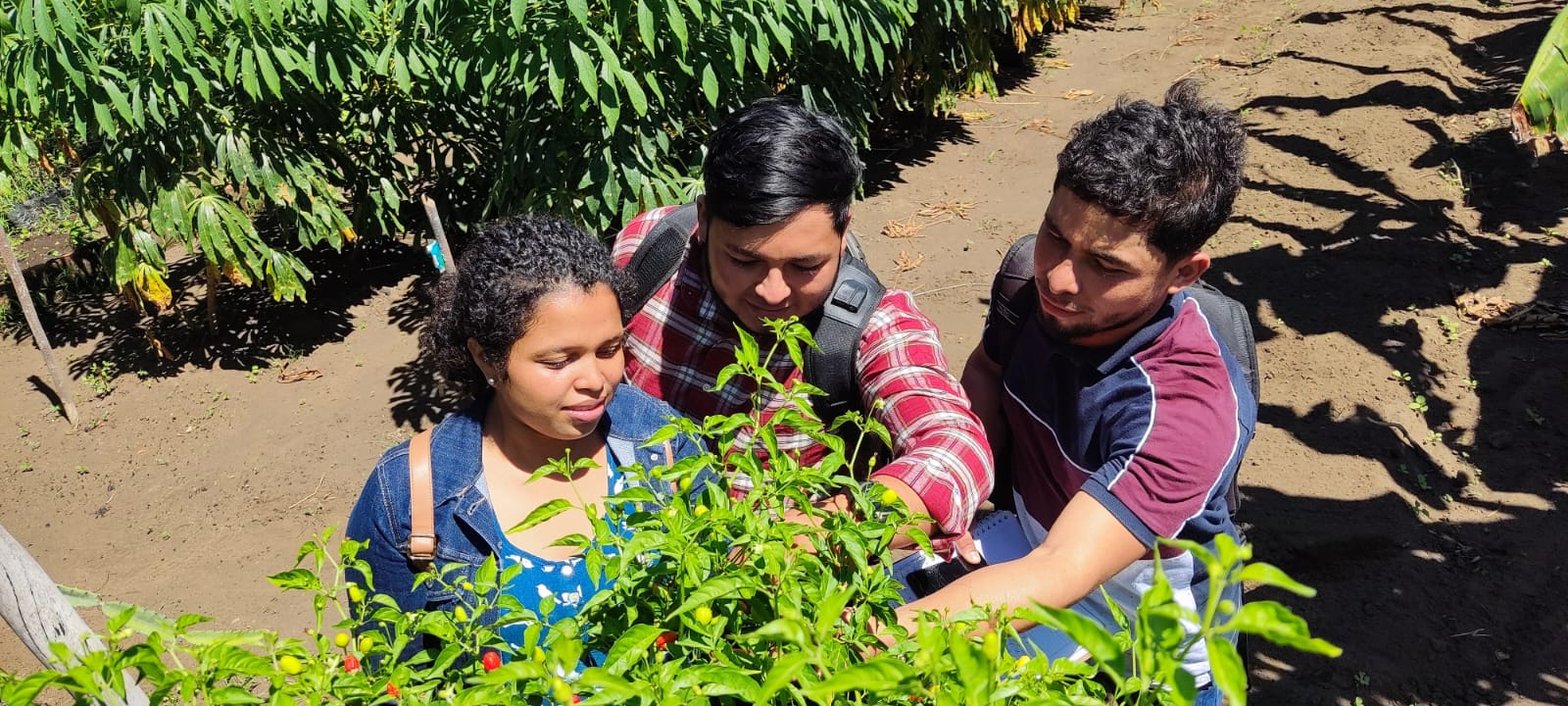
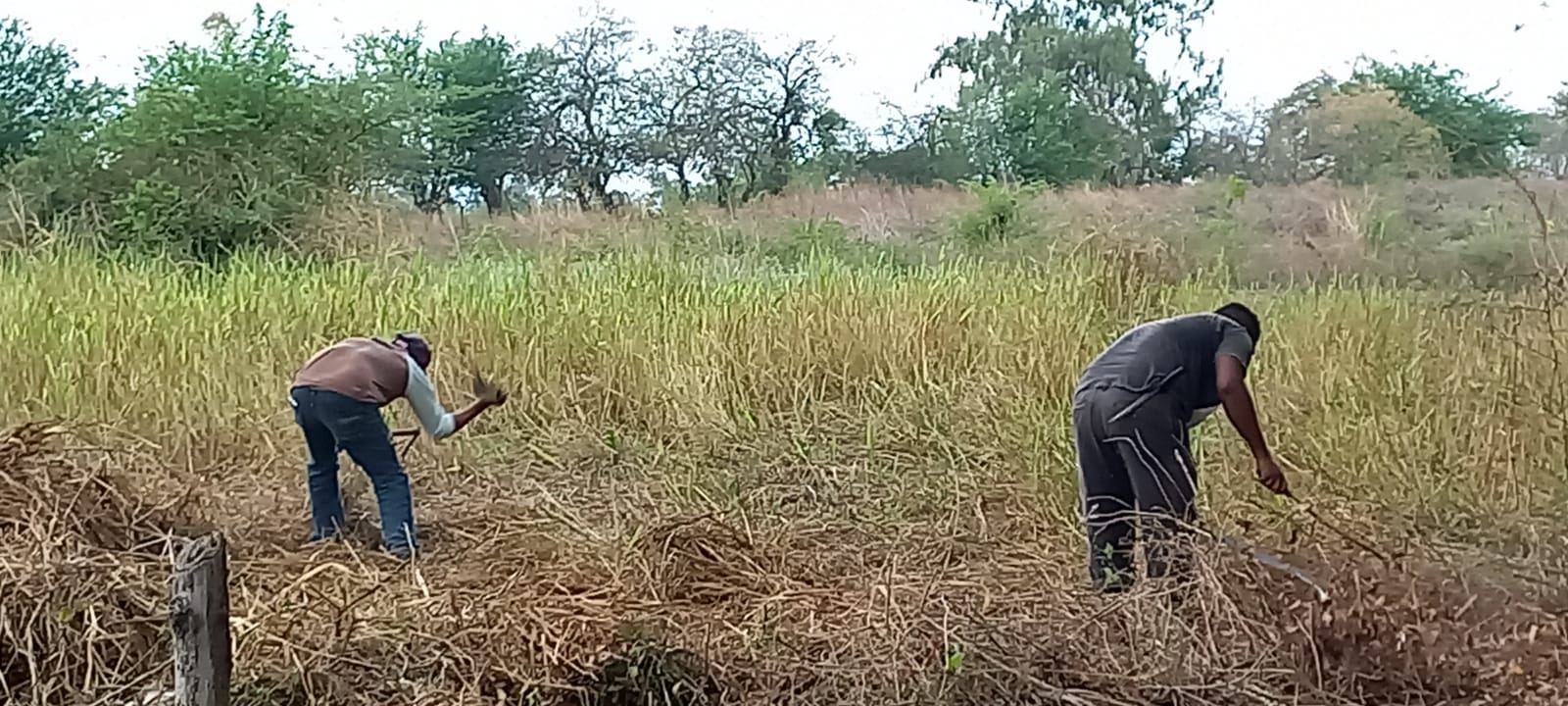
In Chacraseca, local farmers produce primarily cassava, corn, and sesame — often the same crops on the same land with heavy pesticide use. Through Finca Girasol, our 30-acre agro-ecological farm, we teach organic agriculture, soil regeneration, reforestation, and composting to give the community more control over what they plant, harvest, eat, and sell.
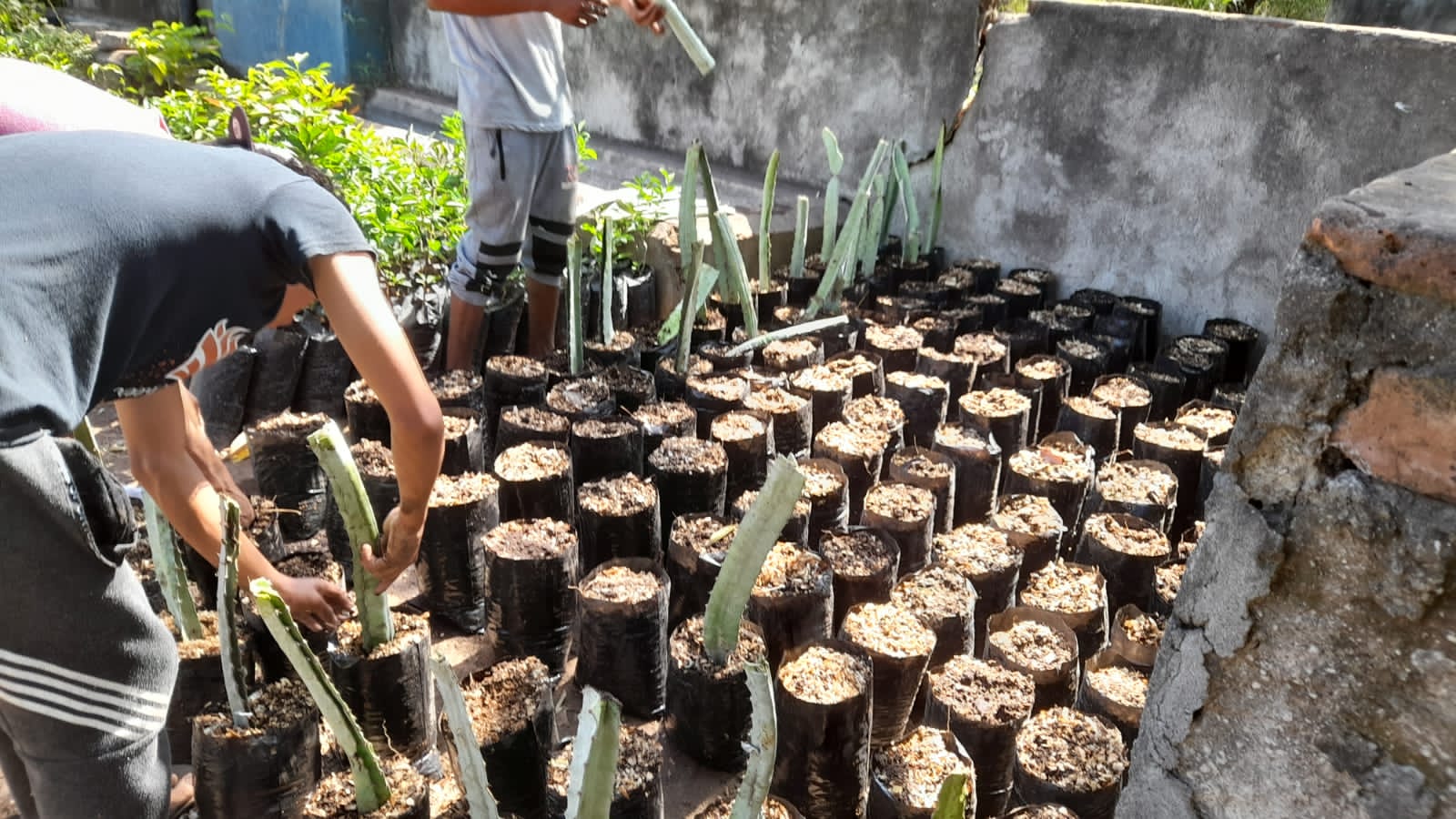
A nutrition and agriculture education program teaching families to grow their own vegetables and improve their diets. The typical Nicaraguan diet is abundant in unhealthy fats and refined sugar, and families with fewer resources often cannot purchase nutritious food.
From Our Blog
Read about the impact our programs are making in Nicaraguan communities.
StoriesWhat impressed me was the absence of anything flashy, just real, tangible work that reaches the peop...
 Stories
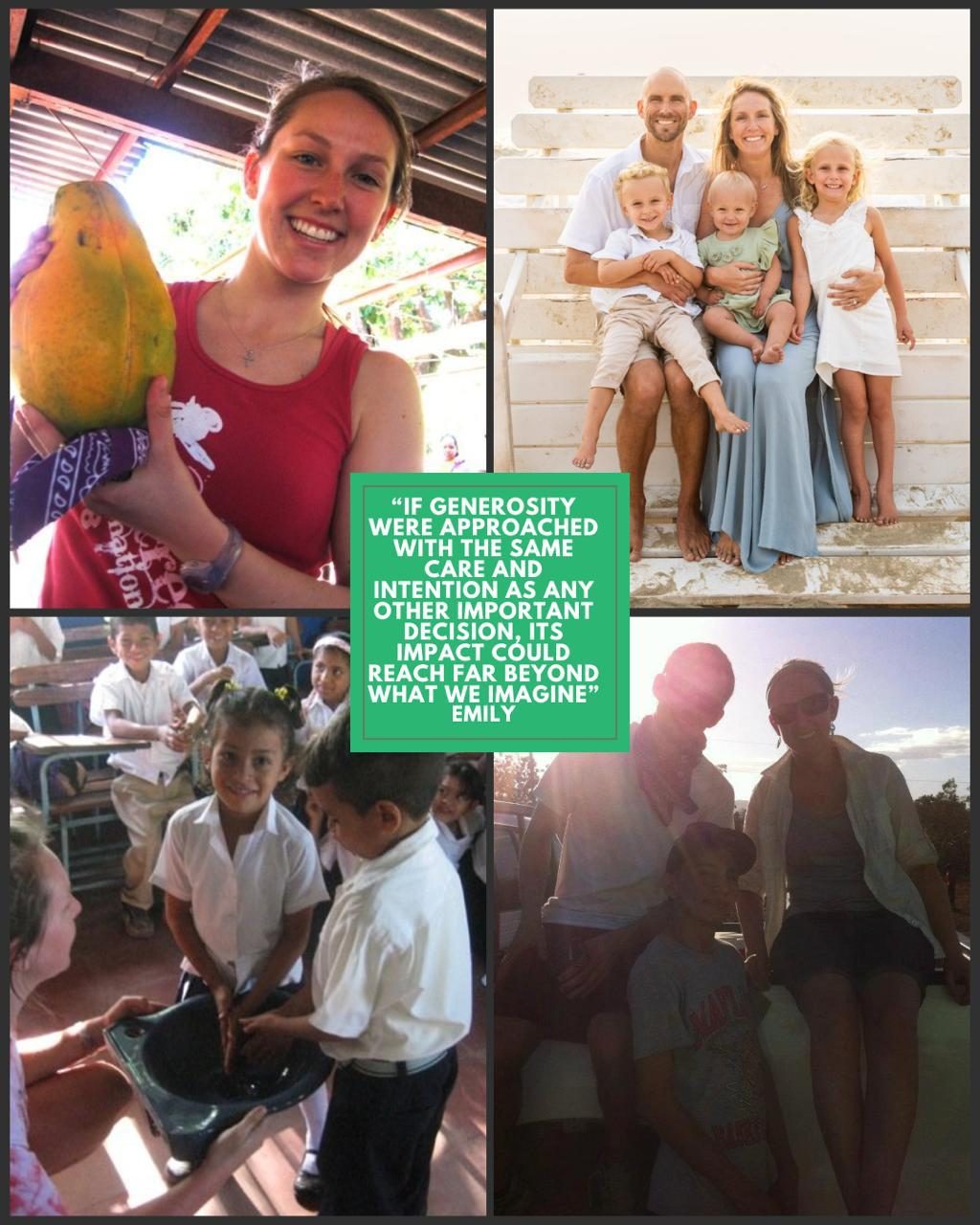
If generosity were approached with the same care and intention as any other important decision, its...
 Updates
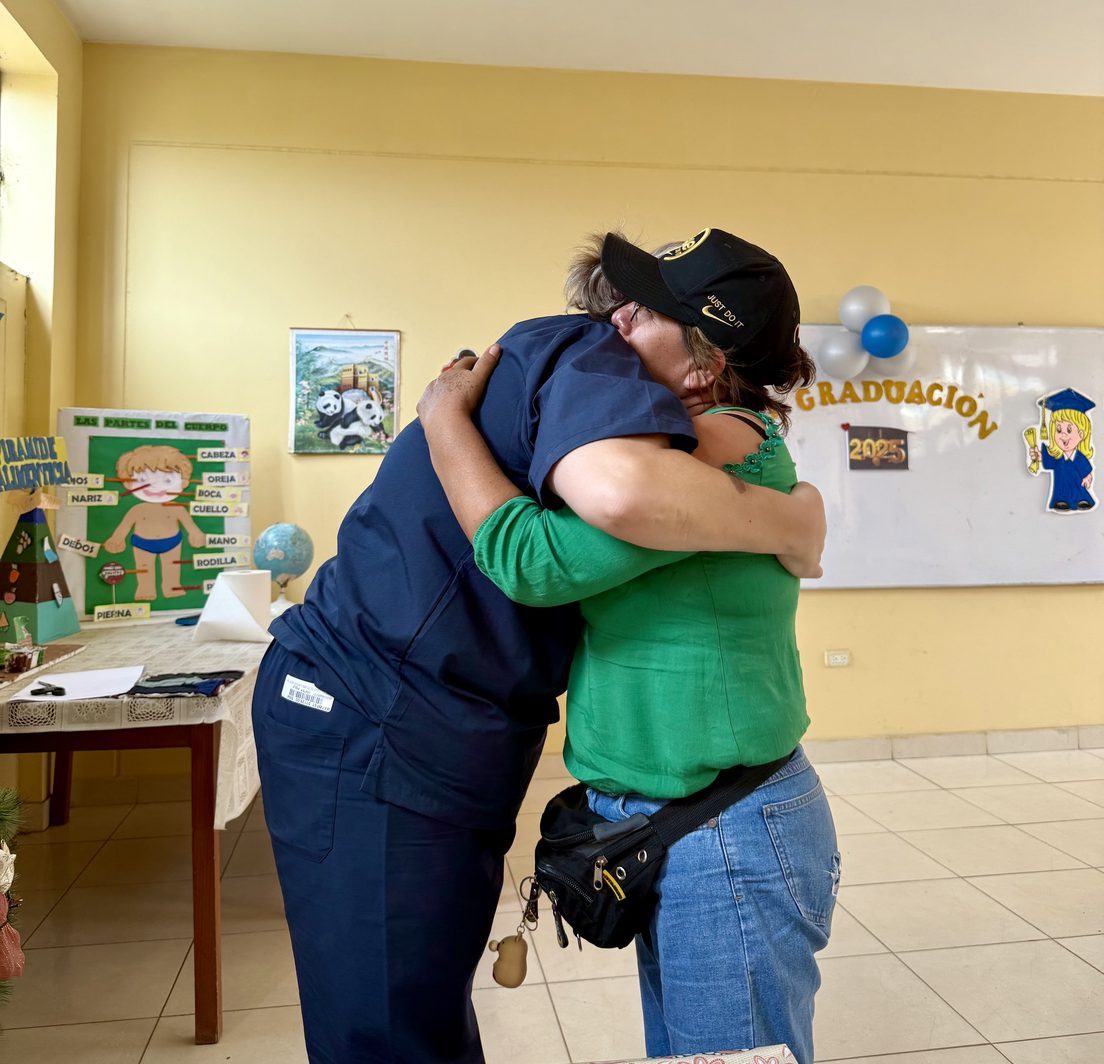
This Giving Tuesday, help us shorten the journey out of poverty for families in Nicaragua, Peru and...
Join a volunteer trip, sponsor a scholarship student, or donate to help us continue this vital work.